antampatz
@antampatz
994
Following
106
Followers
36
Updates
829
Likes
111
Comments
274
Votes
173 days ago
Week 3 — Direction Refinement & Backpack Concept (Part 2: Narrative: Gatekeeper — built to hold the line, not carry the load)
Alongside the technical prep, I spent more time developing the build from a narrative and functional perspective.
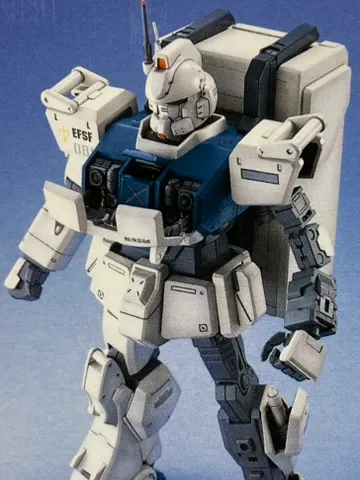
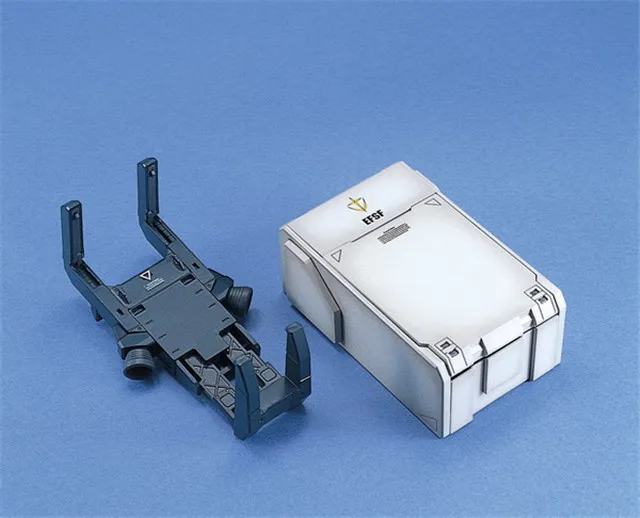
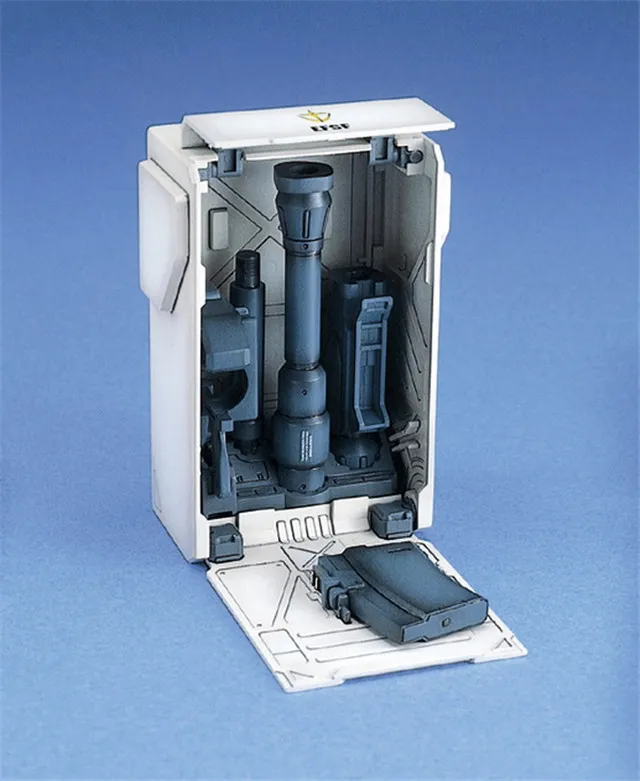
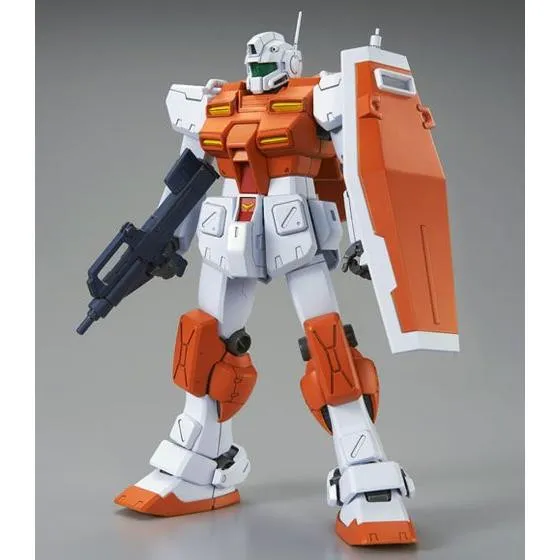
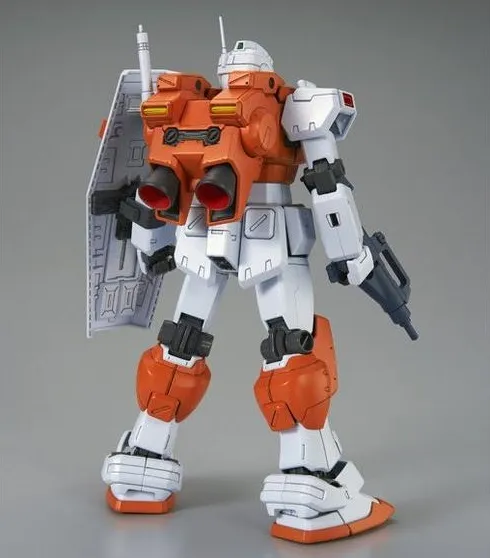
The kit includes a rear container designed to store equipment, such as the bazooka when disassembled. While this aligns with its intended role in the 08th MS Team setting, it feels at odds with the concept for this build. As a rearguard “Gatekeeper” unit, the priority would be sustained combat effectiveness and mobility, rather than transport and storage.
Carrying a container in this scenario would likely introduce unnecessary weight and reduce manoeuvrability. With that in mind, I’m leaning towards omitting it entirely. If the bazooka is included in the final loadout, it would be presented fully assembled and ready for immediate use, rather than stored.
This line of thinking also led to a broader consideration of mobility and endurance. In its standard configuration, the unit relies on two thrusters mounted on the backpack rack. For a machine expected to operate independently for extended periods, this feels insufficient.
To address this, I’ve started exploring the idea of an auxiliary backpack unit to increase both thrust output and fuel capacity. Inspiration comes from the RGM‑79 Powered GM from Gundam 0083: Stardust Memory, reflecting a similar approach of enhancing performance through practical field upgrades.
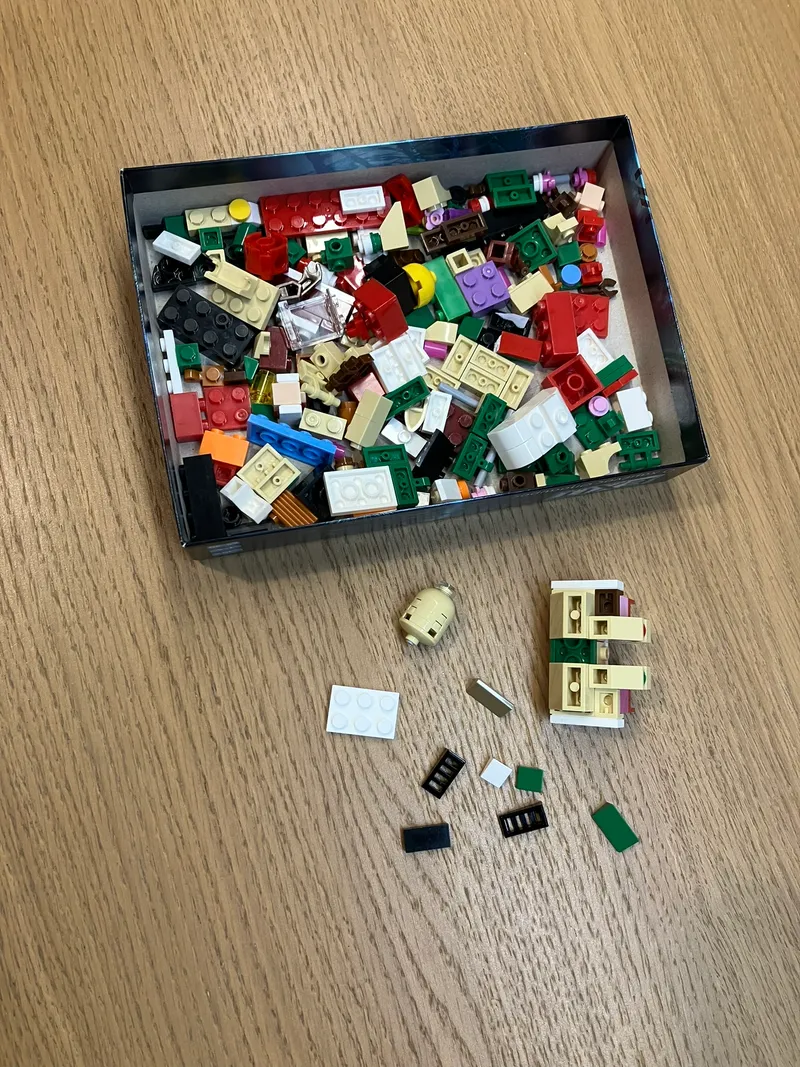
At this stage, I’m exploring the form of this backpack using simple modular elements (Lego‑type bricks). The intention is not just to prototype the shape, but to use this as the foundation for the final component. Once the structure is established, the plan is to treat and finish the surface (seam work, filling, and primer) so that the underlying construction is no longer visible, allowing it to integrate convincingly with the rest of the build.
This approach should allow for fast iteration, consistent symmetry, and efficient construction, while also reflecting the broader theme of salvaged, mixed-origin components extending into the construction method itself.
These decisions are still evolving, but they are helping to define the unit more clearly as a purpose-built rearguard machine — prioritising mobility, endurance, and readiness over standard configuration.
More to come as assembly begins.