Shawn Messick
@shawnmessick
33
Following
84
Followers
20
Updates
505
Likes
45
Comments
2
Votes
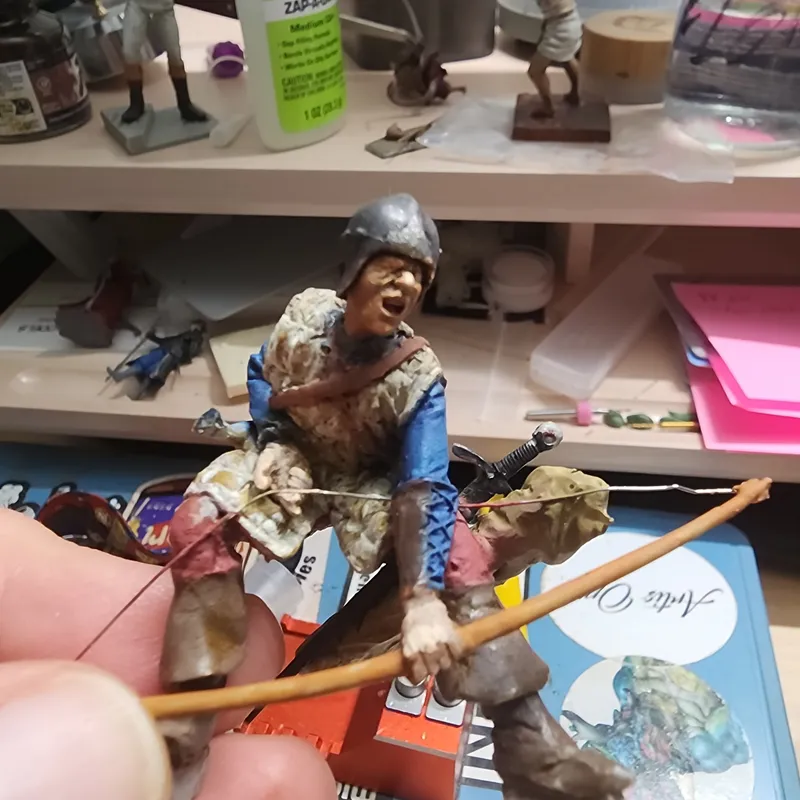
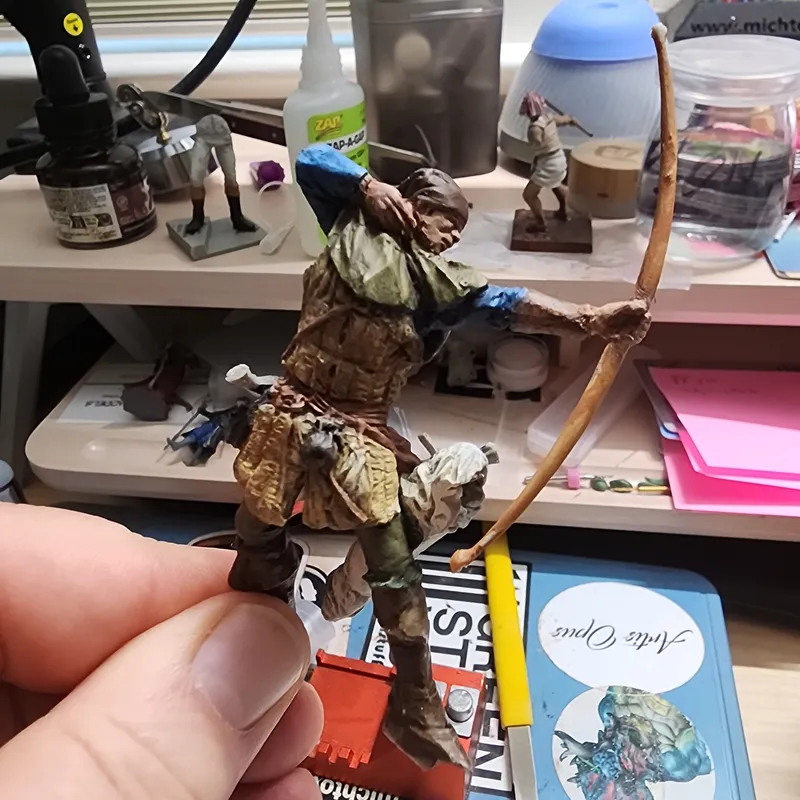
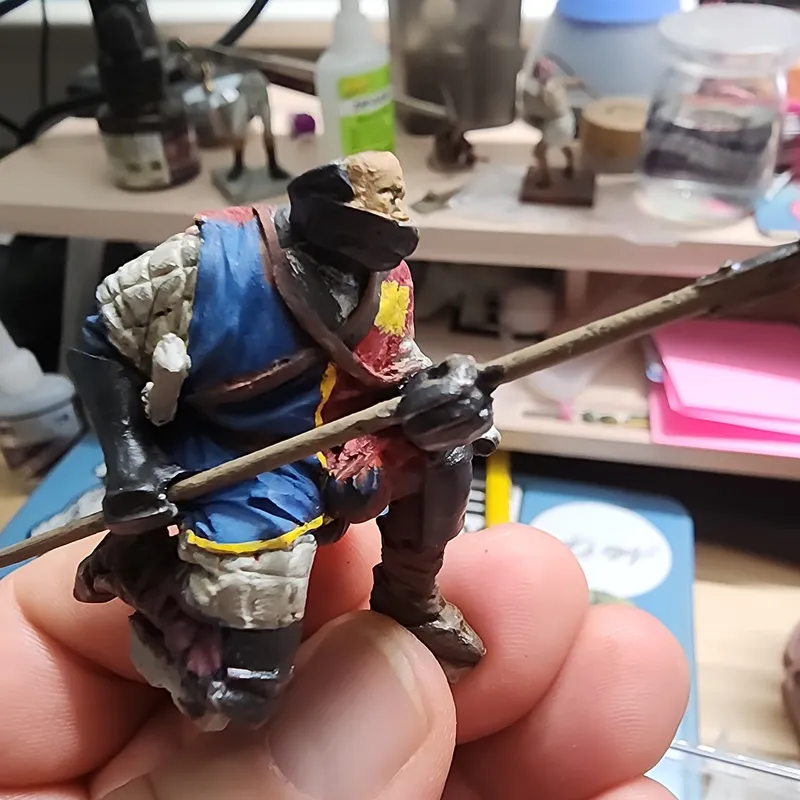
126 days ago
Textile dyes
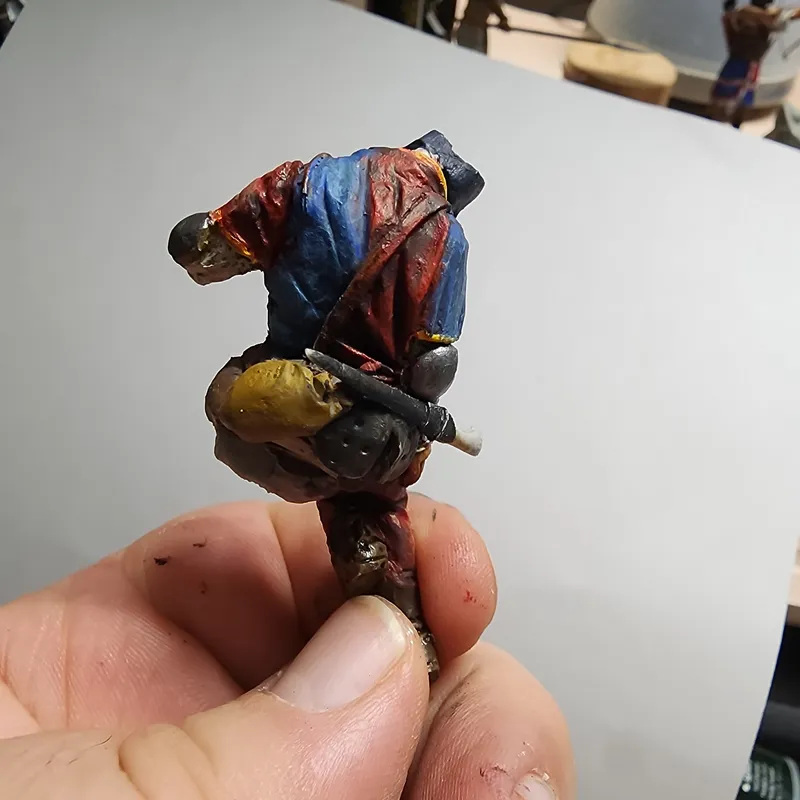
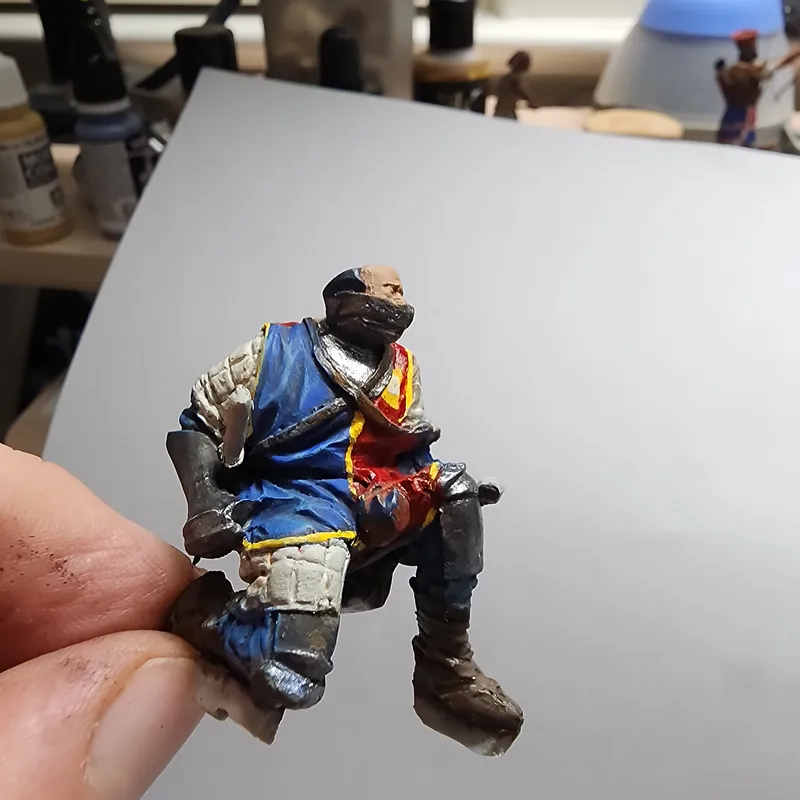
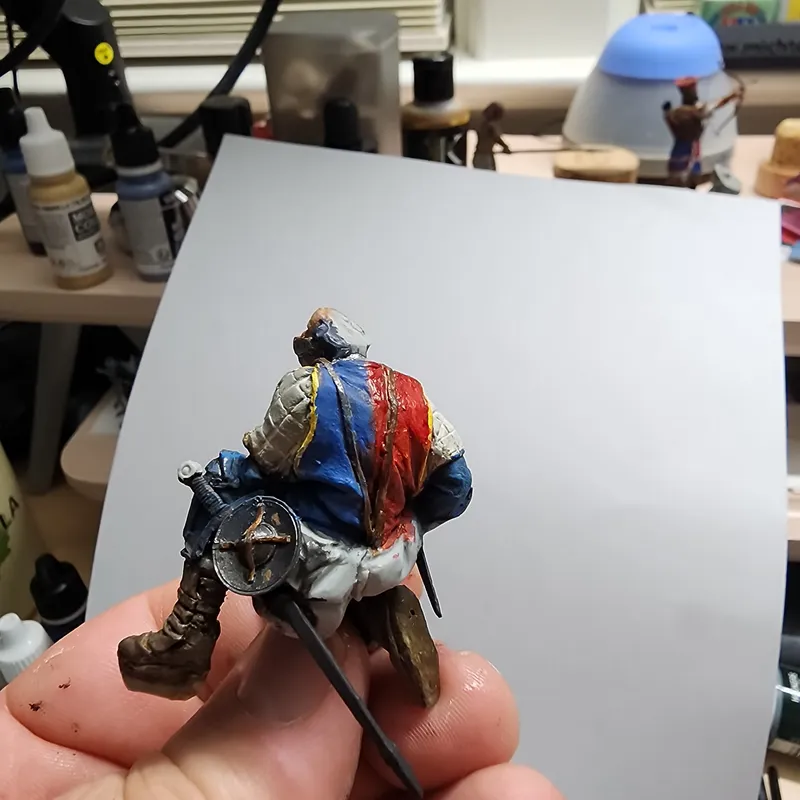
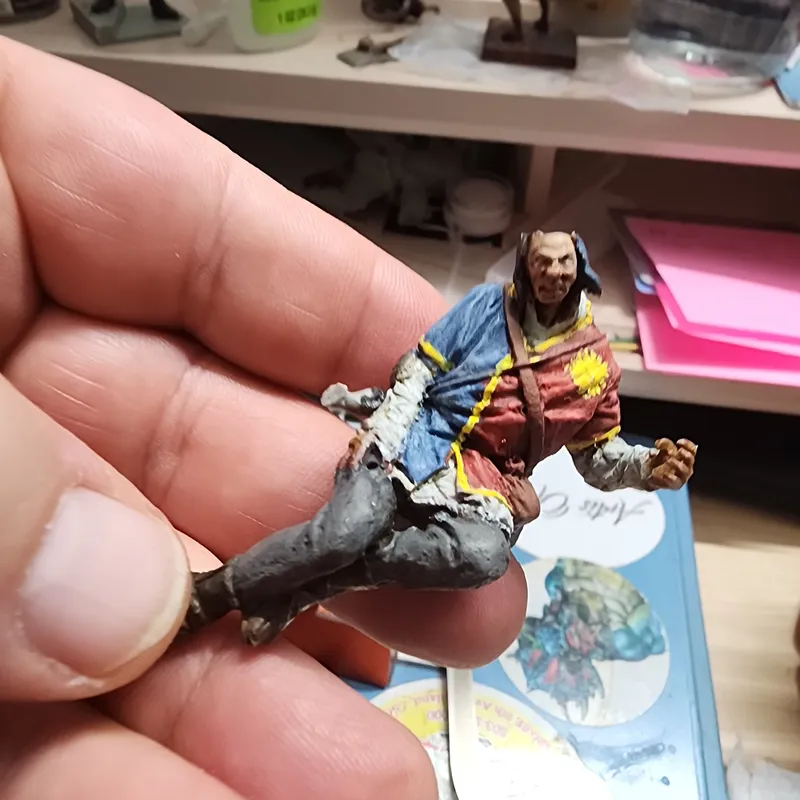
I mentioned before that in the 15c brilliant red dye from the cochineal beetle had not been discovered by Europeans (South America). Poor folks used plant dyes like madder roots. A vermillion color was extractable from cinnebar for centuries, I highly toxic process, hence this vibrant red was limited to the wealthy. Similarly for Blue, Indigo plant dye was known but limited trade made the cost very high. Blue from ground lapis Lazuli stones similarly were expensive and restricted. Woad blue dye was available, and if a large enough quantity was used, one could get a deep blue, at a cost in labor. Impact on this painting. Vibrant blues and reds would be limited to royalty. The banner will be the most vibrant colors in the scene. Clothing items of the armsmen and archers would necessarily be of lesser quality and dull colors and more worn. That has been my work this week- differentiating the blues and reds to mark these class differences and slight differences by clothing item and wearer. I also changed the banner again. I made the red a vermillion to match technology and changed the gold/silver embroidery back to yellows/ochers and greys. I started the base, Primed in a tan earth then dry brushed with a range of greens to represent spring grass. The dusting it with snow binder and microballons. My sanding tray had some leftover soils/grass and these nicely mixed in to give dirty snow effects.
- S
 STUDIO93575 days ago
Great details on the arches :p
- CK
 Christopher Koch126 days ago
Textile dyes are so interesting
- SM
 Shawn Messick126 days ago
Replying to Christopher Koch
@Christopher Koch Also challenges artistic licence in reference sources